

Jessica Munro
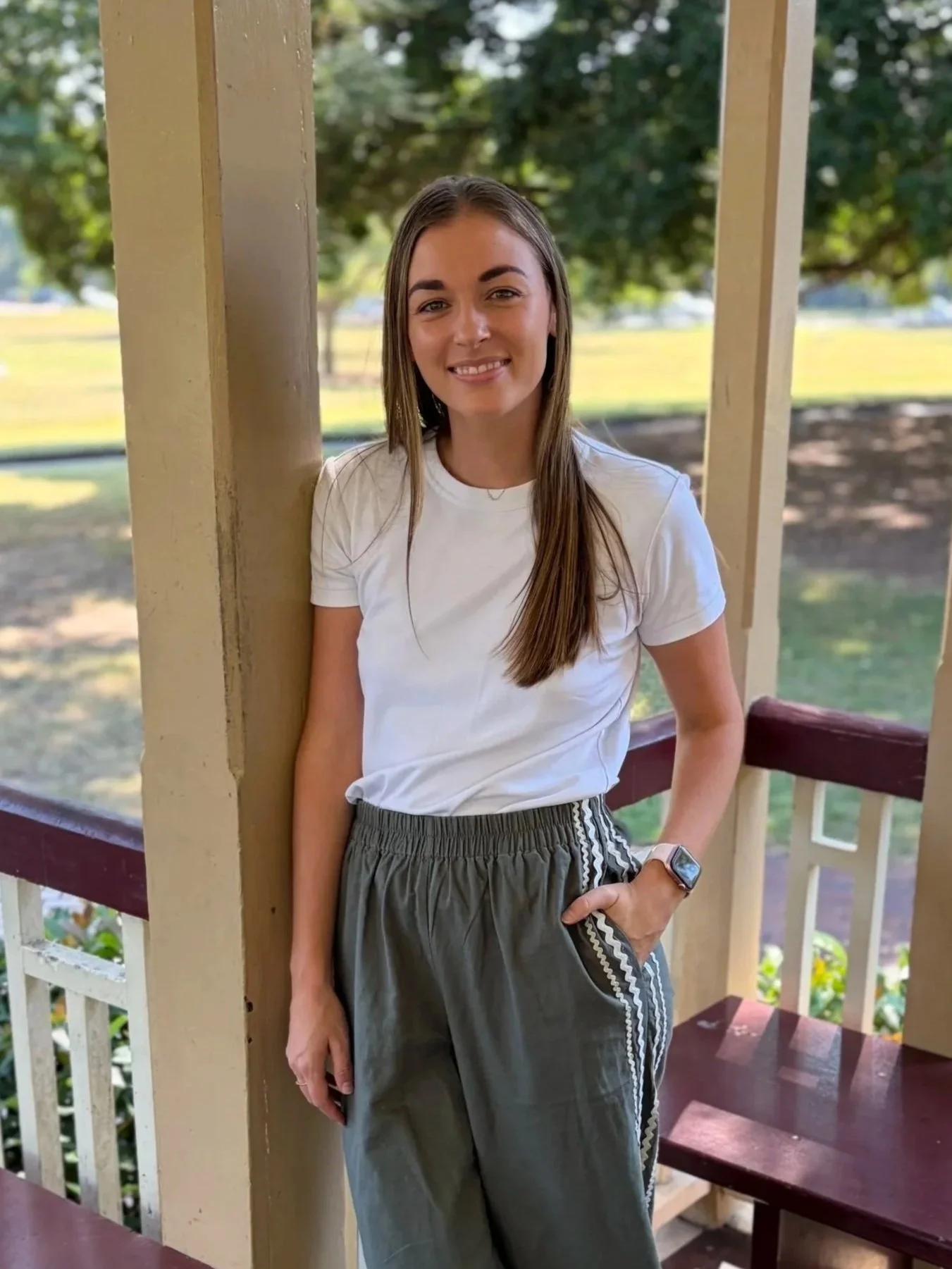
Hi, I'm Jess, and I became an OT because occupation belongs to everyone.
Whether it's showering, cooking a meal, heading to uni or catching up with a friend, every person has occupations that matter to them. For many people, especially those who are neurodivergent, or experience mental ill-health, these everyday tasks can feel disproportionately hard.
That's what drew me to occupational therapy. Not just the clinical side, but the idea that what we do is deeply connected to how we feel, and that supporting someone to get back to the things that matter to them, no matter how big or small, is what makes OT so meaningful.
I've spent the past eight years working solely in mental health, supporting people across a wide range of presentations and life stages. Over that time, I've come to believe that the best outcomes happen when therapy is practical, personalised and grounded in real life, not just about what happens in a session room.
I'm a credentialed DBT practitioner and Medicare-endorsed mental health OT, which means sessions can be rebated through a Mental Health Care Plan and DBT skills are woven into the work where they're helpful.
My Location
New Farm Wellness Centre
187 James Street, New Farm, QLD
Practical support for real life — not just what happens in the session
My focus is on function — supporting you to do what matters, even when life feels heavy. That might mean rebuilding structure after a difficult period, managing burnout before it takes over or finding small, realistic ways to move through the everyday challenges that have started to pile up.
I take a person-centred approach, which means everything we do is tailored to you — your goals, your strengths, and your circumstances. There's no script. Together, we'll look at how your routines, environment, and supports are interacting with your mental health, and work out what actually needs to shift to make things feel more manageable.
What we might work on together
Rebuilding structure
Developing routines that balance work, study, social life, and self-care in a way that actually holds.
Daily living skills
Strengthening confidence in self-care, household tasks, and participating in your community.
Goal-focused & flexible
Setting meaningful, achievable goals and adapting them as your life and needs evolve.
Managing energy & burnout
Learning to pace activities, conserve energy, and recognise the warning signs before overwhelm sets in.
Social & emotional wellbeing
Building skills in relationships, communication, and coping with stress in everyday situations